Give Us a Call: (301) 525-6486

The Cost Effectiveness of High-Durability Coatings in Long-Term Property Maintenance

high-durability coating

Maintaining commercial properties requires strategic decisions that balance aesthetics with long-term durability and cost-effectiveness. High-durability coatings offer a solution that not only enhances the appearance of your property but also extends its lifespan, reducing maintenance costs over time.

Understanding the Value of High-Durability Coatings

Long-Term Benefits of Durable Paint Solutions

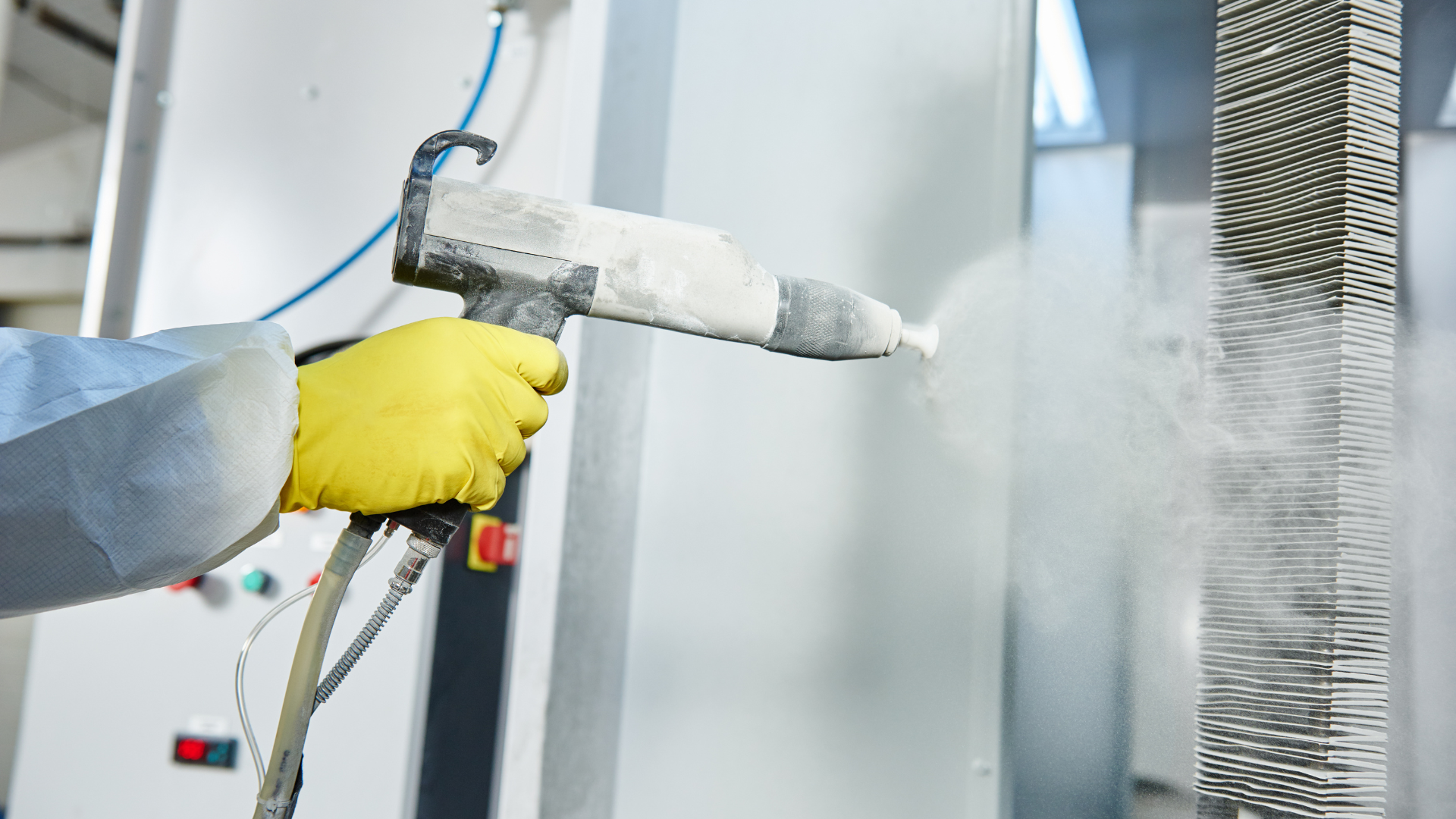
Investing in high-durability coatings is a smart choice for property owners looking to protect their investment. These coatings are designed to withstand environmental factors such as UV exposure, reducing the need for frequent repainting. By choosing durable coatings, property managers can save on maintenance costs and minimize disruption to business operations. Types of durable paints include acrylic coatings, known for flexibility and resistance to fading; epoxy coatings, ideal for industrial settings due to their durability and chemical resistance; and polyurethane coatings, providing superior abrasion resistance for high-traffic areas and outdoor surfaces.

Cost Savings Through Reduced Maintenance: Minimizing Repainting Cycles

One of the significant advantages of high-durability coatings is their longevity. Unlike traditional paints, which may require touch-ups every few years, durable coatings can last significantly longer between repaints. This not only saves on material and labor costs but also ensures that your property maintains a fresh, attractive appearance year after year.

Customized Solutions for Every Property

The Environmental Impact: Choosing Sustainable Coating Options

In addition to cost savings and durability, high-quality coatings can also contribute to sustainability efforts. Some modern coatings formulations are  low-VOC (volatile organic compound), reducing harmful emissions during application and ensuring a healthier indoor environment for building occupants. This environmental consideration aligns with corporate responsibility goals and enhances the overall value proposition of durable coatings.

Partnering for Long-Term Success: Tailored Services for Unique Needs

Every commercial property has unique requirements when it comes to painting. Whether you manage an office building, retail space, or industrial facility, it’s essential to choose a painting contractor who understands your specific needs. Professional painters can provide expert advice on color selection, surface preparation, and application techniques to achieve the best results for your property.

Choosing the Right Painting Contractor

When selecting a painting contractor, experience, expertise, and reputation matter. CoreCom Commercial Painting stands out as a trusted partner for property owners seeking reliable painting solutions. With a commitment to quality craftsmanship and customer satisfaction, CoreCom ensures that every project is completed to the highest standards. Their dedication to using high-durability coatings helps property owners maximize their investment by reducing maintenance costs and preserving property value over time.

Contact CoreCom today to learn more about how their specialized painting services across the East Coast can benefit your commercial property.
Transform Commercial Spaces with Innovative Floor Coatings

commercial floor coatings

In the dynamic world of commercial property management, the appearance and durability of a facility’s floors play a critical role in the overall aesthetic and operational efficiency. For commercial facility managers and building owners, investing in innovative floor coatings is not just about upgrading the look of a space; it’s about enhancing its functionality, safety, and longevity.

This blog explores how modern floor coatings can transform commercial spaces, offering insights into the benefits and applications of these solutions.

The Importance of Floor Coatings in Commercial Spaces

Enhancing Durability and Longevity

Commercial spaces, whether retail stores, warehouses, or office buildings, experience high foot traffic and heavy equipment use. Traditional flooring systems can quickly wear out, leading to costly repairs and maintenance. Innovative floor coatings, such as epoxy, polyurethane, and polyaspartic coatings, provide a durable layer that resists wear, tear, and damage, extending the life of the floors.

Improving Safety and Compliance

Safety is most important in any commercial setting. Slip-resistant floor coatings reduce the risk of accidents, warranting a safer environment for employees and visitors. Additionally, certain industries have specific flooring requirements to meet health and safety standards. Innovative coatings can be customized to meet these regulatory needs, helping facility managers maintain compliance with industry guidelines.

Aesthetics and Branding

Floor coatings offer a wide range of colors, textures, and finishes, allowing businesses to enhance the visual appeal of their spaces or align the floor design with their brand identity. A well-chosen floor coating can transform a commercial space, creating a more inviting atmosphere for customers and a more pleasant working environment for employees.

Choosing the Right Floor Coating

Understanding the Different Types of Coatings

  • Epoxy Coatings: Known for their durability and resistance to chemicals, epoxy coatings are ideal for garages, warehouses, and manufacturing facilities.
  • Polyurethane Coatings: These coatings offer flexibility and are more resistant to UV radiation, making them suitable for outdoor spaces and areas exposed to sunlight.
  • Polyaspartic Coatings: Fast-curing and with excellent abrasion resistance, polyaspartic coatings are perfect for projects requiring a quick turnaround without sacrificing quality.

Assessing the Needs of Your Space

Selecting the right floor coating involves evaluating the specific needs of your commercial space. Consider factors such as the level of traffic, exposure to chemicals, and the desired aesthetic. Consulting with a professional commercial painting contractor can provide valuable insights and recommendations tailored to your facility’s requirements.

Implementing Your Flooring Solution

Preparation and Application

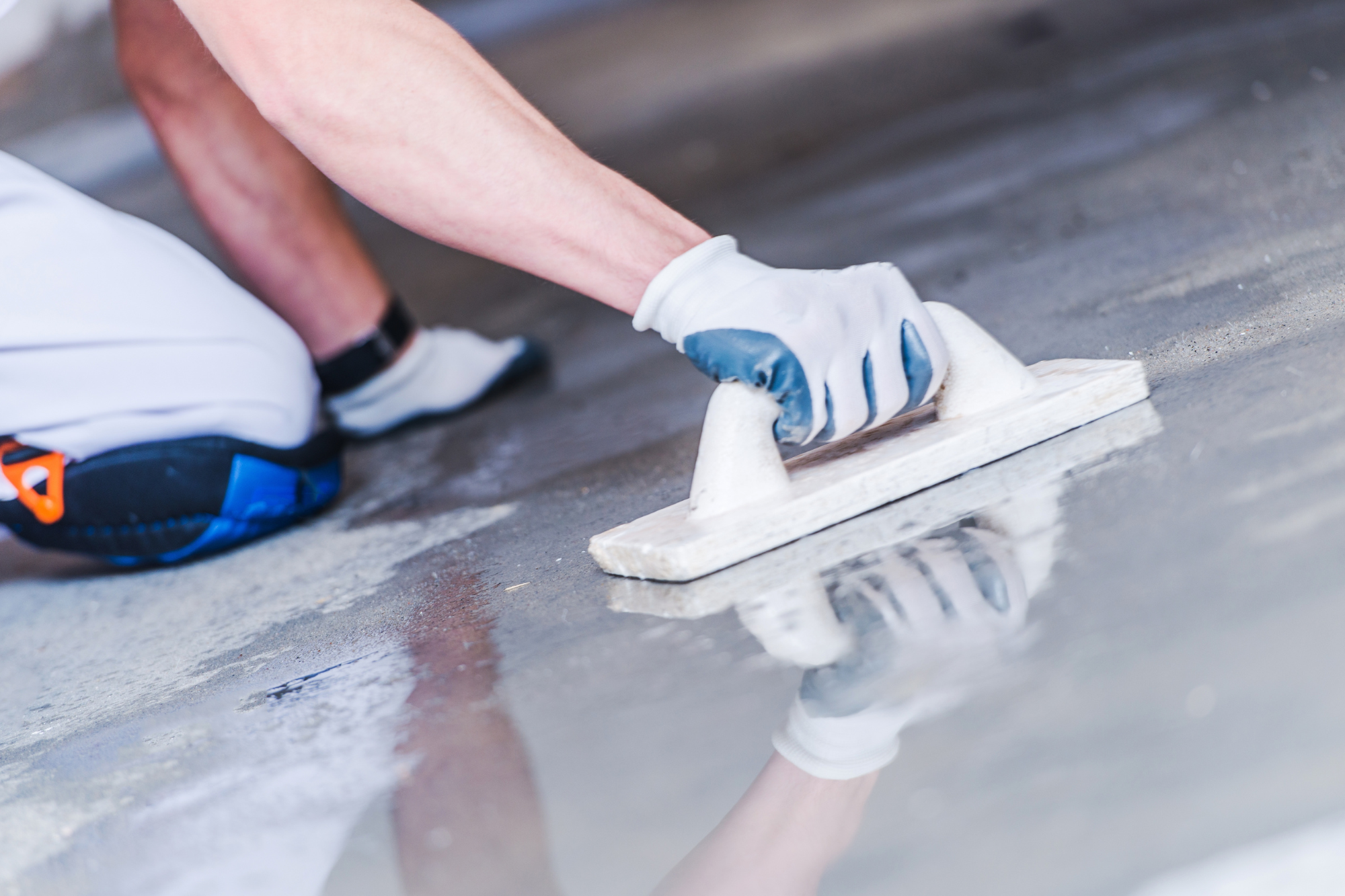
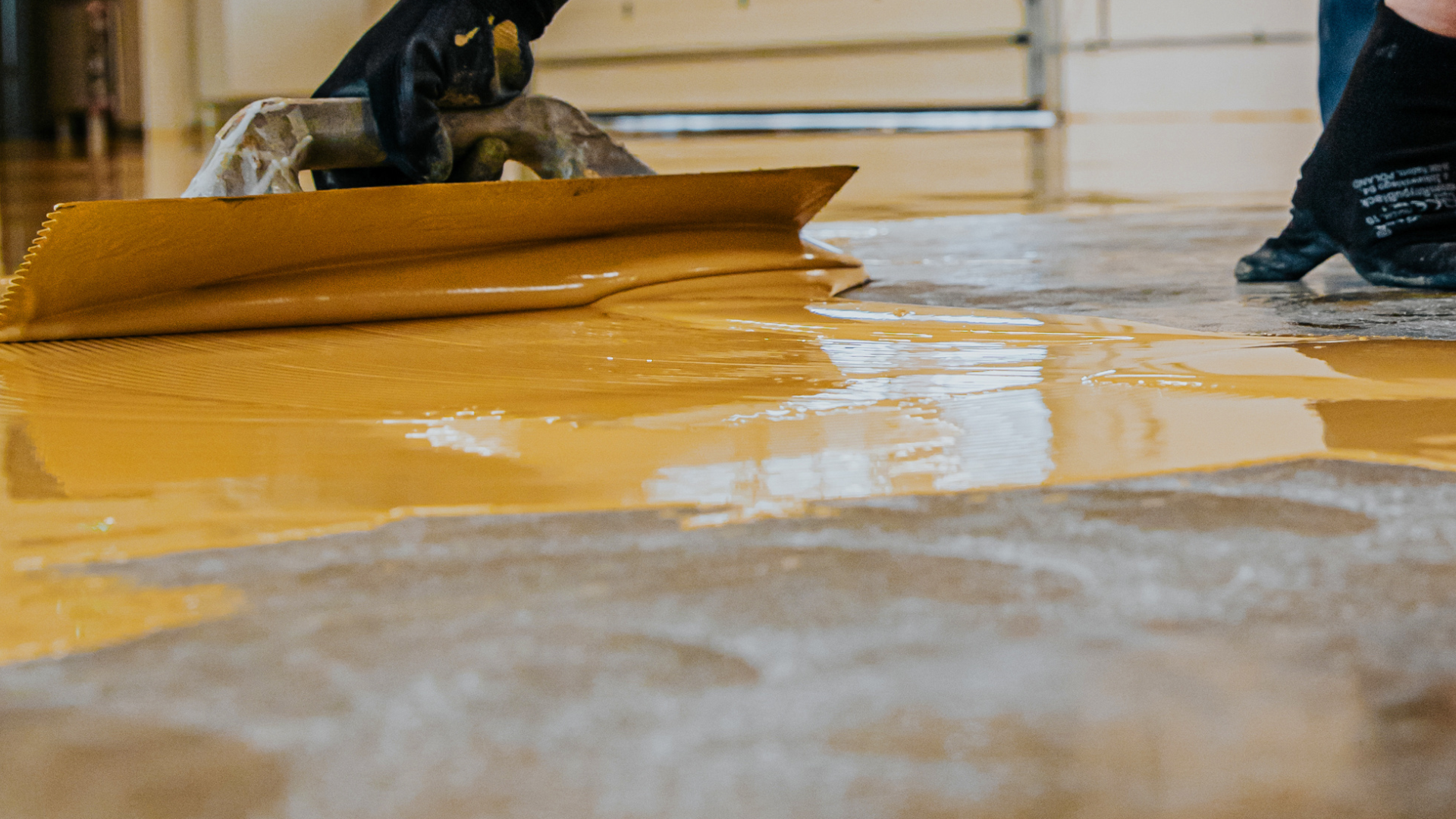
Proper floor preparation is crucial for the successful application of any coating. This often involves cleaning, repairing cracks or damage, and ensuring the floor is level. The specific application process varies depending on the type of coating, but it generally includes primer application, followed by the coating itself, and finally a sealant to protect the finish.

Maintenance and Care

While innovative floor coatings are designed for durability, regular maintenance is essential to prolong their lifespan. Simple practices such as regular cleaning, promptly addressing spills, and avoiding abrasive cleaning tools can keep your floors looking and performing their best for years to come.

Innovative floor coatings offer an efficient solution for commercial spaces, combining aesthetics, functionality, and durability. By selecting the right coating and ensuring proper application and maintenance, commercial facility managers and building owners can enhance the value and appeal of their properties, making a lasting impression on employees and customers alike.

Ready to Enhance Your Commercial Space?

Partner with CoreCom Commercial Painting today to transform your facility with innovative floor coatings that promise durability, safety, and style. Let’s work together to create a space that stands out and stands the test of time. Contact us today!

Choosing the Right Waterproof Coating for Your Commercial Facility

waterproof coatings

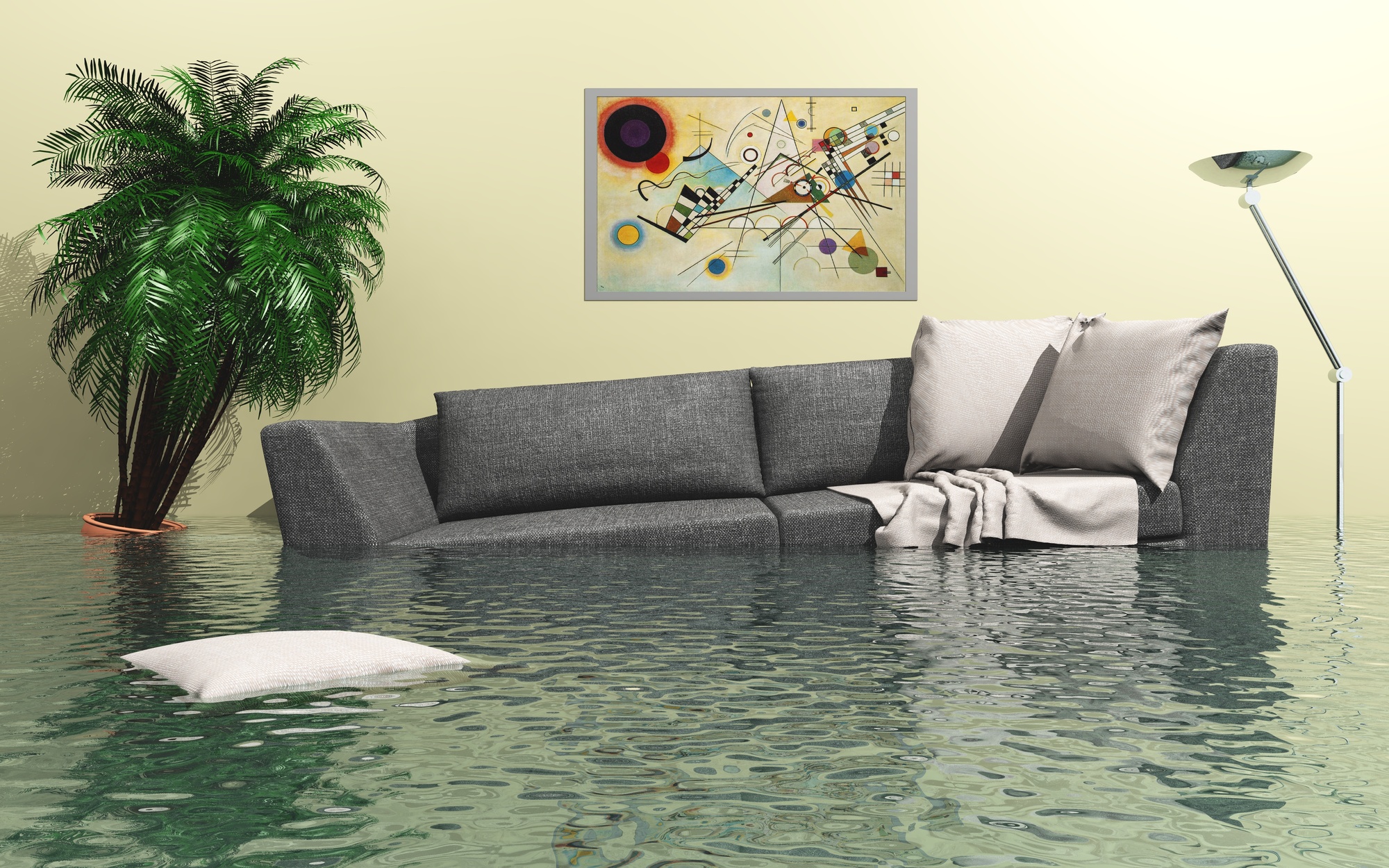
Water is the great destroyer of property. Large amounts of water can crush load-bearing structures and sweep away whole buildings in minutes, while smaller amounts over the years can infiltrate every crevice and rot out the strongest beams and facings. That’s why waterproofing is such a high priority for your commercial property, and it’s why even in drier climates, you need a decent barrier between the elements and your valuable investment property.

Types of Water Damage You’re Protecting Against

Water is an ingenious destructive agent. It has all kinds of ways of getting into and through structures to cause damage. Some of them happen so quickly you’d struggle to keep up, while others work silently for decades to do their damage. Some of the most common ways water damages properties include:

  • Leaks: Water gets through roof structures and corrodes underlayment. It breeds mold, including toxic strains that cost a fortune to eliminate. It encourages rot in wooden structures and rust in metallic ones. If your property has permeable structures indoors, such as drywall or acoustic tiles, water will devastate them on contact.
  • Cracks: Commercial properties are likely to be large and sit on a concrete slab. Poor drainage allows water to fill the soil under that slab and cause localized swelling. That puts shear forces on foundations and gradually encourages cracks that ruin the value of the structure. The result over time is increasingly costly foundation repairs or total demolition of the structure.
  • Ice: Ice collapses rooftops, especially the flat roofs many commercial properties have. It can also form in the ceiling, walls and pipes during a cold snap, bursting pipes and pouring water into sensitive areas when the temperatures go back up.

Choosing the Right Waterproofing

The scope of the problems water causes demands a vigorous response by property owners. With the typical commercial flood insurance policy only covering the first $500,000 in damage to what could be a multimillion-dollar commercial property, and even lower coverage for less dramatic water damage, the stakes are high. Choosing the right waterproofing is a major priority. Here are your main options:

  • Cementitious: Cementitious materials are available everywhere and easy to mix. These are best for indoor wet zones, like the floor around a toilet or sink, though it’s also a good choice for outdoor deck areas or parking skirts.
  • Liquid Membrane: Liquid membranes form a chemical barrier made up of several layers applied via spray, roller or trowel. The rubbery coating it forms is more flexible than cementitious waterproofing, expanding by up to 300% depending on the specific polymer being used.
  • Bituminous: Bituminous waterproofing is like the tar you mop onto the roof, and it can go on as a liquid or as sheets of material. Sometimes just called asphalt coating, it’s an excellent low-cost solution for areas that get lots of water, like rooftops. You will probably have to refresh this coating every year or so, but the cost of doing this isn’t very high.
  • Polyurethane Liquid Repellant: Polyurethane liquid is lighter and more flexible as an option than bituminous waterproofing, and it’s relatively good on surface structures like porches. It’s more expensive than asphalt, however.

Protect your commercial property from water damage with CoreCom Commercial Painting. Choose the right waterproofing solution to prevent leaks, cracks, and ice damage, ensuring the longevity and value of your investment. Get in touch today!

The Long-Term Benefits of Using a Silicone Sealant

Silicone Sealant

Silicone sealant is vital for commercial property managers. It protects against water damage, improves energy efficiency, and reduces maintenance expenses. It also increases overall property value as it enhances tenant comfort and preserves structural integrity.

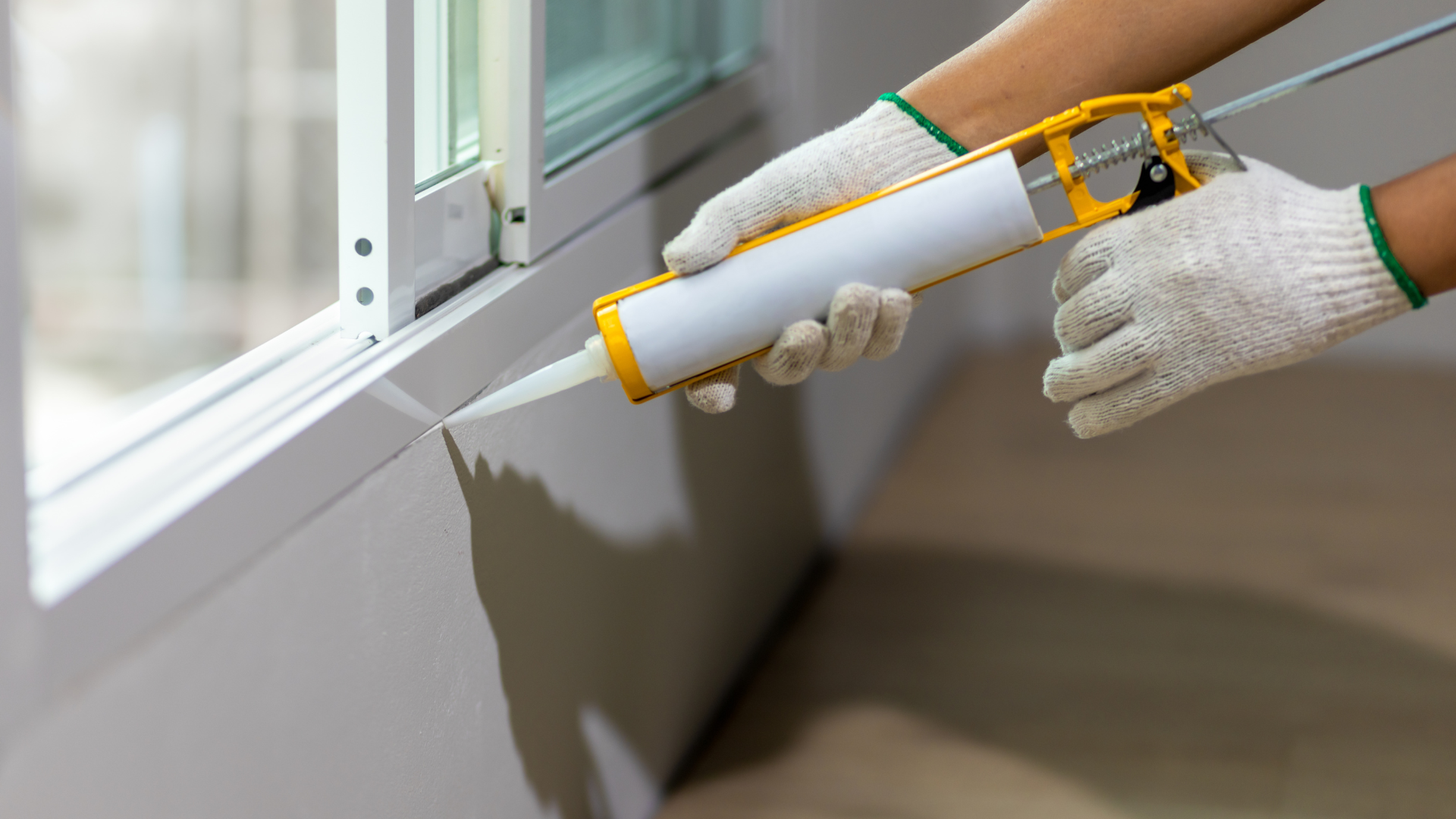
Sealants are materials used to seal joints or gaps in structures. Silicone sealants, in particular, are popular because they’re durable, flexible, and resistant to weather and temperature changes. They work well in commercial properties for sealing windows, doors, and other joints, providing a long-lasting barrier against the elements.

How do the sealants work?

Sealants function by creating a physical barrier to prevent the entrance of air, water, and other environmental elements through gaps or joints in a structure. Silicone sealants work through a curing process where the material transforms into a flexible and weather-resistant rubber-like substance.

This flexibility allows them to accommodate structural movements without compromising their effectiveness, making them suitable for various applications in commercial properties.

What are the benefits of using silicone sealant?

Here are the top five benefits of using silicone sealant for commercial property.

  • Flexibility: Silicone sealants maintain their flexibility over time. They adapt to structural movements without cracking, which is crucial for commercial properties where buildings are subject to various stresses and strains.
  • Weather Resistance: Being resistant to extreme weather conditions ensures that silicone sealants can endure both scorching summers and freezing winters without deteriorating. This resilience contributes to the long-term effectiveness of the sealant.
  • Durability: The durability of silicone sealants means they have a longer lifespan. This reduces the frequency of resealing, which saves on maintenance costs and minimizes disruptions to the normal operation of the commercial property.
  • Adhesion: Good adhesion properties enable silicone sealants to form a strong bond with various surfaces, ensuring a secure and effective seal. This is particularly important for commercial buildings with diverse materials and surfaces.
  • Waterproofing: Effective waterproofing is an especially critical benefit in commercial properties. Silicone sealants create a reliable barrier against water infiltration. This protects the building’s structure, prevents damage, and creates a comfortable and safe interior environment.

Hire professional commercial painters for high-quality silicone sealant application

For high-quality application of silicone sealant on your commercial property, consider hiring a reputable commercial painting contractor with experience in sealant applications. They should have:

  • Experience: Look for commercial painters with a solid track record in commercial construction specifically in applying silicone sealants.
  • Specialization: Some contractors specialize in waterproofing or sealing services, and they often have the expertise needed for precise application.
  • Credentials: Ensure the contractor is licensed, insured, and adheres to industry standards. This guarantees a level of professionalism and accountability.
  • References: Check for references from previous clients or projects to gauge the commercial painter’s reliability and the quality of their work.
  • Transparent Communication: Choose a contractor who communicates clearly about the scope of work, materials used, and the timeline for the project.

Going for an experienced and reputable commercial construction contractor increases the likelihood of a high-quality application of silicone sealant on your property.

Specialized, experienced, and credentialed commercial painting services

Silicone sealant is essential for commercial property because it guards against water damage, improves energy efficiency, and cuts maintenance costs. Its flexibility accommodates structural movements. Contact CoreCom Commercial Painting today for professional silicone sealant application.


The Role of Firestop Sealants in Passive Fire Protection

firestop sealant

In the world of commercial construction and safety, the significance of fire protection cannot be overstated. One major component that contributes to the passive fire protection of structures is the application of firestop sealants. Understanding the role of these sealants is crucial for the safety and integrity of commercial buildings.

What Are Firestop Sealants?

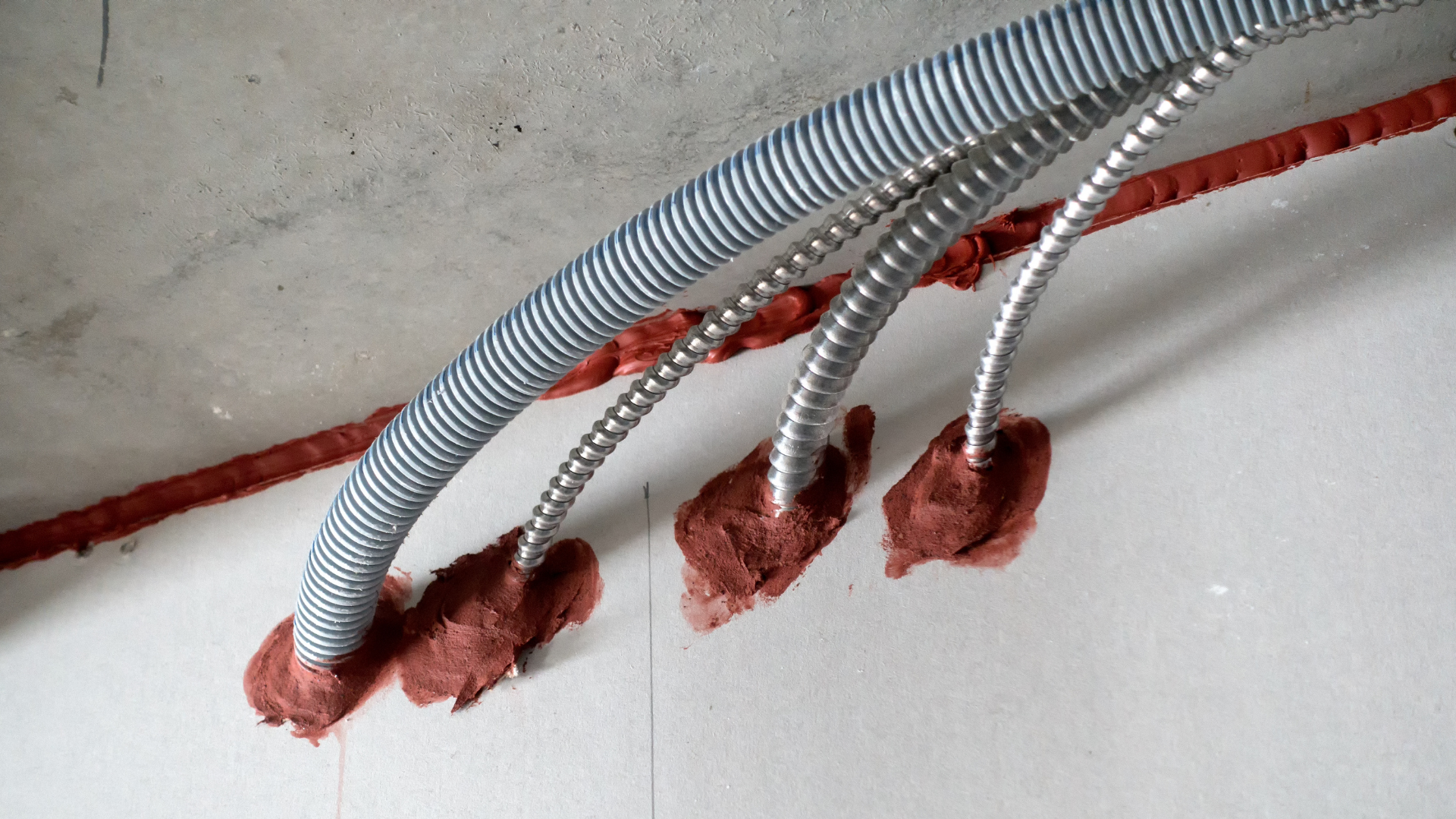
Firestop sealants are specialized materials designed to seal joints and gaps in a building’s construction, preventing the spread of smoke, flames, and toxic gases in the event of a fire. These sealants are typically installed in openings such as wall penetrations, floor joints, and gaps around pipes and cables.

Ensuring Compartmentalization

Firestop Sealants and Compartmentalization

One of the primary roles of firestop sealants is to help with compartmentalization within a building. Compartmentalization involves dividing a structure into distinct sections to contain the spread of fire. Firestop sealants create a barrier that hinders the movement of fire and smoke, allowing occupants more time to evacuate and emergency responders to contain the situation.

Types of Compartmentalization

  • Vertical Compartmentalization: Firestop sealants applied to vertical joints and penetrations in walls prevent the upward spread of fire.
  • Horizontal Compartmentalization: Sealants used in floor joints and ceiling penetrations help restrict the lateral movement of fire, confining it to specific areas.

Meeting Regulatory Standards with Firestop Sealants

Compliance with Building Codes

The application of firestop sealants is not just a matter of choice; it’s often a legal requirement. Building codes and regulations mandate the use of these sealants to meet specific fire safety standards. Compliance ensures that a commercial structure is not only safe for occupants but also adheres to industry and government guidelines.

Third-Party Certifications

To enhance trust in passive fire protection measures, many firestop sealants undergo third-party testing and certification. This ensures that the products meet the necessary performance standards, providing an additional layer of assurance to building owners, managers, and regulatory authorities.

Common Applications of Firestop Sealants

Penetrations in Walls

Firestop sealants are commonly applied around openings in walls created by pipes, conduits, or cables. This prevents the passage of fire and smoke through these openings.

Floor and Ceiling Joints

Sealing joints in floors and ceilings is crucial for maintaining compartmentalization. Firestop sealants are applied to these areas to discourage the horizontal spread of fire.

HVAC Penetrations

Heating, ventilation, and air conditioning (HVAC) systems often penetrate walls and floors. Firestop sealants are used to seal these penetrations, ensuring the fire resistance of these structural elements.

Discover the CoreCom Difference

The role of firestop sealants in passive fire protection is paramount. These sealants contribute to compartmentalization, meet stringent regulatory standards, and find application in various critical areas within commercial buildings. Implementing proper firestop sealant measures not only enhances the safety of occupants but also safeguards the structural integrity of the entire facility.

For personalized advice on firestop sealant applications tailored to your commercial property, we at CoreCom Commercial Painting are here to help. Our expertise in both commercial painting and sealing services makes us your ideal partner in ensuring the fire safety of your business premises. Contact us today!

5 Benefits of Applying Acrylic Coatings for Concrete

acrylic coatings for concrete

What Is An Acrylic Coating For Concrete?

Concrete is a durable and long-lasting surface. But over time, general wear and tear and harsh weather conditions can cause concrete to look weathered and old. Even worse, it can become stained and look worse than ever. The good news is that there is a way to keep concrete looking brand new without the hassle. Enter – acrylic coatings for concrete.

Acrylic coatings for concrete can be solvent-based or water-based depending on the overall look and style you are looking to achieve. It can be used on various types of concrete and ultimately acts as a protectant against everyday products, harsh weather conditions, and gradual wear and tear.

But does this thin acrylic coating really do as much as it promises? Keep reading on to find out the top 5 benefits of applying an acrylic coating to concrete.

Environmentally Strong

While concrete looks great when it is first applied, it can eventually deteriorate due to harsh weather conditions such as strong UV rays and heavy rain and snow. When applying an acrylic coating to concrete, this helps increase its lifespan and protects against harsh weather.

Durability

Aside from experiencing different types of weather, it can also be expected that concrete will experience wear and tear over the years. This can make the concrete look weathered and old. Acrylic coatings help protect against this – keeping the original color intact and keeping the concrete looking like new.

Easy Cleaning

Did you know that applying acrylic coatings on concrete helps make them dust-proof? It’s true! This helps prevent dust bunnies from forming and allows for the concrete to be cleaned efficiently.

Design

The great thing about acrylic coatings is that they can result in different appearances depending on your taste. Applying a  solvent-based acrylic coating on concrete results in a shiny, high-gloss appearance whereas water-based acrylic coatings result in a matte surface. This puts you in charge of you how you want the finished look to appear.

Stain Resistant

Common everyday products can wreak havoc on concrete, causing it to stain and look unsightly. Acrylic coatings help preserve the original color of your concrete, keeping stains at bay.

Get in touch

The last thing you want to deal with is concrete that looks aged, stained, and tired. Keep your concrete looking great with an acrylic coating applied by the best in the business.

People care about their surroundings. Keep your commercial properties looking fresh and cared for by applying an acrylic coating to your concrete. This not only protects it for years to come but gives you one less thing to worry about when it comes to looking after commercial properties.

Visit our website or give us a call at 301-281-6082 to find out more about our concrete coating services today.

What to You Need to Know About Commercial Roof Coating

commercial roof coating

Are you curious about the benefits of commercial roof coating for your business? Protecting your roof is a crucial part of protecting your entire building.

Commercial roof coatings provide superior protection from the elements. Roof coatings offer a variety of advantages. They help protect your building from extreme temperatures and weather, so it looks great for longer.

Investing in commercial roof coatings is a smart way to ensure your building stands. In this post, we will explore some of the key benefits of using a roof coating on your commercial building.

Keep reading to learn more!

What Is Roof Coating?

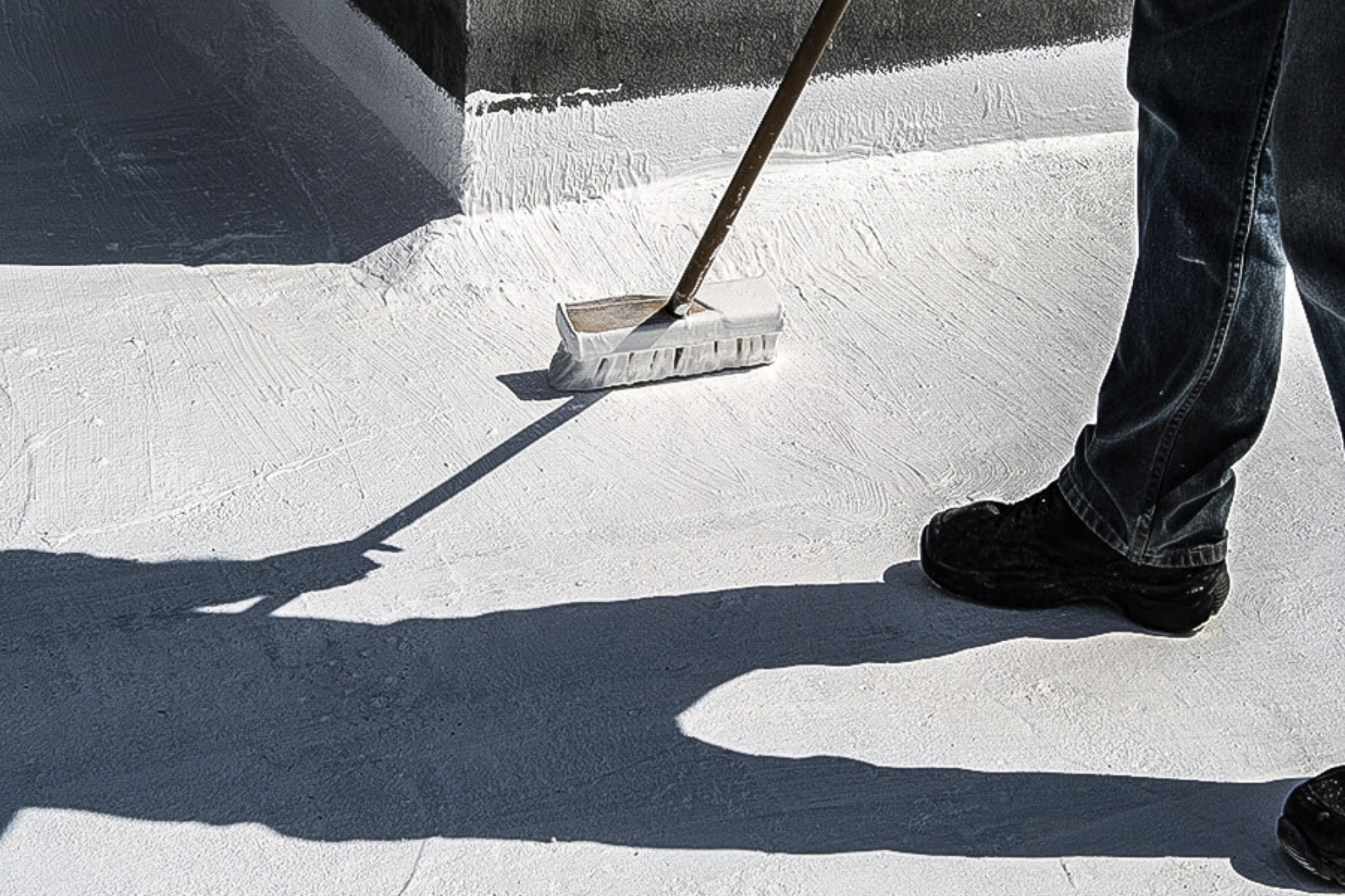
Roof coating is a protective film that is applied to the exterior of your building’s roof. Roof coatings are typically made of:

  • Acrylic
  • Silicone
  • Elastomeric compounds

They provide an extra layer of protection for your roof. When properly maintained, roof coatings can last up to 15 years.

Roof Coating Types

There are four main types of roof coatings:

  • Asphalt
  • Acrylic
  • Silicone
  • Polyurethane

Each type has its own benefits and drawbacks. It is important to choose the right one for your particular roof.

Asphalt coatings are durable and inexpensive, but they can be difficult to apply.

Acrylic coatings are also affordable, but they tend to fade over time.

Silicone coatings are more expensive than the other options. They provide excellent protection against weather damage.

Polyurethane coatings are the most expensive option. They are also the most durable. When choosing a roof coating, consider your budget and the specific needs of your roof.

Why Is It Important to Invest in Commercial Roof Coating?

There are many benefits to investing in commercial roof coating.

It helps protect your building from extreme temperatures and weather conditions like hail, wind, and rain. This extends the life of your roof and increases its efficiency over time.

Roof coatings can also help improve energy efficiency by reflecting heat away from the building during the summer months. This help keep your energy costs down and make your building more comfortable.

Roof coatings also protect against UV rays, which cause fading and damage over time. They are a great way to protect your investment and keep your building looking its best for years to come.

Roof coatings can be applied quickly and easily. You do not have to worry about extensive labor or installation times. This makes them a cost-effective option for any business.

Commercial Property Management

Commercial property managers have a complex job, and roof coatings are an important part. Investing in commercial roof coating helps protect your building from the elements. With the right roof coating, you protect the client’s investment and ensure that the building will stand the test of time.

Do your research to make sure you choose the right roof coating for your needs and enjoy the many benefits it offers. With a little bit of effort, you ensure that your business is well-protected for many years to come.

Contact us now to get a quote on our various roof coating types.

6 Things You Need to Know About Coatings And Waterproofing

6 Things You Need to Know About Coatings And Waterproofing

Have you been thinking about adding coatings and waterproofing to your commercial space? Are you hesitating because you’re not sure which of the coating systems is right for your space?

That’s where we want to step in as Core Com Commercial Painting. We want to ensure you get the right type of coating for your space.

Before you do, though, here are a few things to know.

1. Many Different Types of Coatings

Whether you are looking at waterproof coatings or regular coatings, there are multiple different types out there. Here are a few types of high-quality coatings that can be used for commercial purposes:

2. Different Coatings for Different Uses

Depending on what your commercial property is used for, you would need a specific coating for that building type. For instance, a school’s coating may be different than an industrial warehouse coating.

3. Only Trained Professionals Should Apply the Coats

While you may want to do a DIY project, when it comes to using special coatings for your building, it is best to leave it to a professional. If you try to do it yourself, there is a risk that you could actually damage the building.

At Core Com Commercial Painting, we want to ensure you get the best coating services for your building.

4. Coatings Are Not Just for the Exterior

While you can apply coatings on the exterior of buildings, there are other options as well.

High-quality coatings and waterproofing systems can be used on walls, interior spaces, floors, and high-traffic areas to reduce damage to the building. Not only does it help with reducing damage, it also makes it look better, too.

5. Waterproof Coatings Can Save Money

While you may be spending money up front on the waterproof coatings, you may be saving money down the line. In fact, on any given day, 14,000 people are dealing with some kind of water damage.

Since the coatings help prevent water from getting inside, especially if there are leaks or cracks, this ensures you don’t have to deal with mold or excess moisture in your space. This also prevents you from spending money on repairs that are causing damage.

Instead, you are paying up front to prevent this damage.

6. Reduced Cooling Costs

With added coatings, especially on the roof of your commercial building, you can reduce your cooling costs. The sealant creates a seal so that the cooler air doesn’t leak out. It also has a reflecting surface on it that reflects the sun’s rays away so that it does not get as hot inside of the building.

All of these things combined will reduce cooling costs.

Coatings and Waterproofing for Your Space

If you’ve been looking for different coatings and waterproofing services for your space, look no further than Core Com Commercial Painting. Between our waterproofing services and our high-quality coatings, your building will be safe and look good after we come through.

Don’t hesitate to contact us today!

>

Ready to Work on Your Project?

LET'S GET STARTED